Batik Textile Distributor Insights: Connecting African Wholesalers with Chinese Suppliers
SC
Introduction to Batik Textile Trade
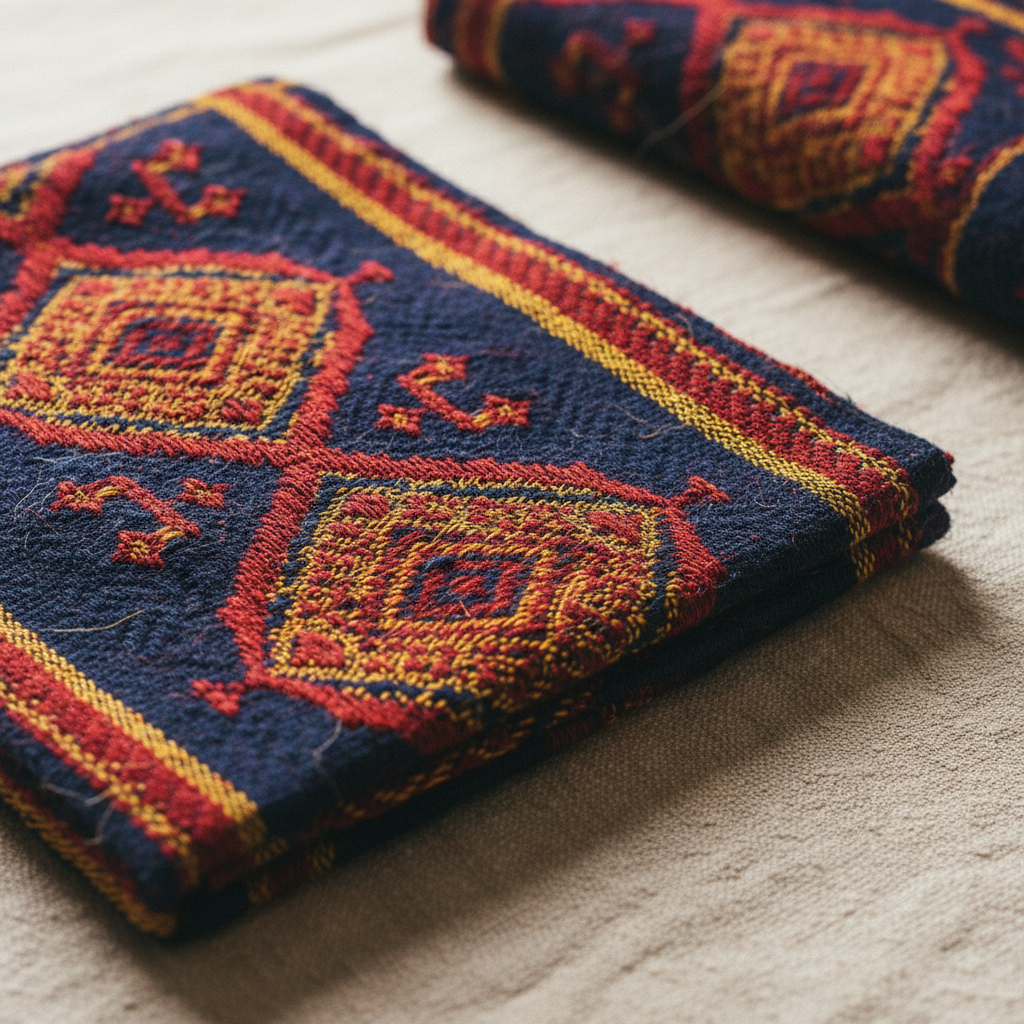
Batik textiles, with their vibrant colors and intricate patterns, have long been a symbol of cultural heritage and craftsmanship. As demand for these unique fabrics grows, connecting African wholesalers with Chinese suppliers presents a promising opportunity for both parties. This collaboration not only supports economic growth but also fosters cultural exchange.
The Appeal of Batik Textiles
Batik textiles are known for their artistic beauty and versatile applications. From fashion to home decor, these fabrics offer endless possibilities. African wholesalers are increasingly seeking high-quality batik from Chinese suppliers, renowned for their production expertise and competitive pricing.
Chinese manufacturers have perfected the art of batik production, combining traditional techniques with modern technology. This ensures that African markets receive the finest textiles to meet diverse consumer demands.
Why African Wholesalers Choose Chinese Suppliers
Several factors make Chinese suppliers attractive to African wholesalers:
- Cost-Effectiveness: Competitive pricing allows African wholesalers to maintain healthy profit margins.
- Quality Assurance: Rigorous quality control processes ensure consistent product standards.
- Variety: A wide range of designs and color options cater to diverse market preferences.

Challenges and Solutions in the Supply Chain
Despite the benefits, there are challenges in connecting African wholesalers with Chinese suppliers. Language barriers, logistical complexities, and trade regulations can pose significant obstacles. However, with proactive strategies and strong partnerships, these challenges can be effectively mitigated.
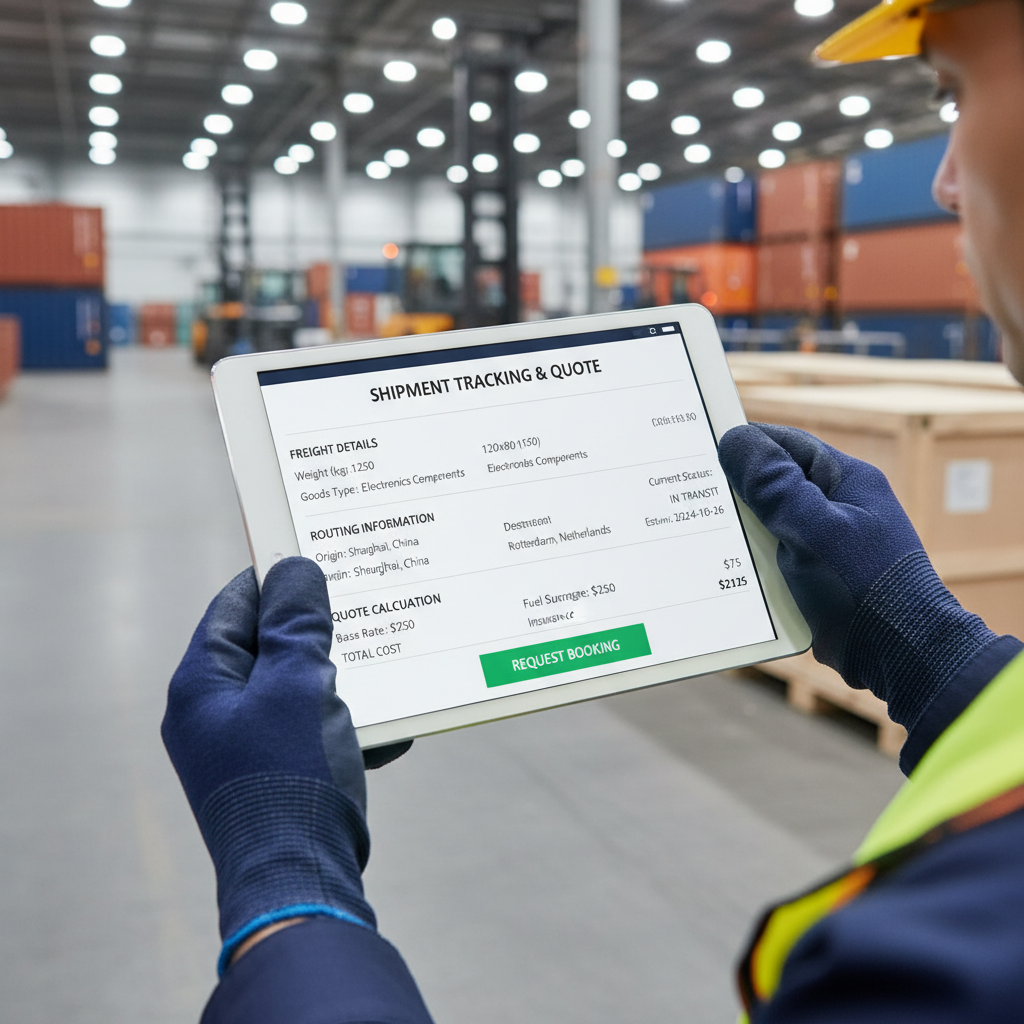
Implementing efficient communication tools and leveraging technology for real-time updates can streamline the supply chain. Additionally, understanding and complying with trade regulations ensures smoother transactions and reduces delays.
Leveraging Technology for Seamless Transactions
Technology plays a crucial role in bridging the gap between African wholesalers and Chinese suppliers. Platforms that facilitate direct communication, order tracking, and payment processing enhance transparency and efficiency. These tools empower wholesalers to make informed decisions and build long-lasting relationships with suppliers.
Cultural Exchange and Economic Growth
Beyond commerce, the exchange of batik textiles fosters cultural appreciation and understanding between Africa and China. By celebrating craftsmanship and artistry, both regions strengthen their cultural ties while driving economic growth.
This partnership not only benefits the textile industry but also contributes to broader economic development. As trade flourishes, communities thrive, creating a ripple effect of prosperity and innovation.
Conclusion
Connecting African wholesalers with Chinese suppliers in the batik textile industry offers a wealth of opportunities. By overcoming challenges and embracing collaboration, both regions can enjoy mutual benefits and contribute to a vibrant, interconnected global marketplace.
As we look to the future, continued investment in technology and cultural exchange will be key to sustaining this dynamic partnership.