Connecting African Wholesalers with Premium Chinese Textiles: A Case Study
SC
Introduction to the Textile Trade Connection
In recent years, the textile industry has seen a significant shift in global trade dynamics. One of the most promising developments is the collaboration between African wholesalers and premium Chinese textile manufacturers. This **case study** explores the successful strategies and the mutual benefits gained from this partnership.
Understanding the Market Potential
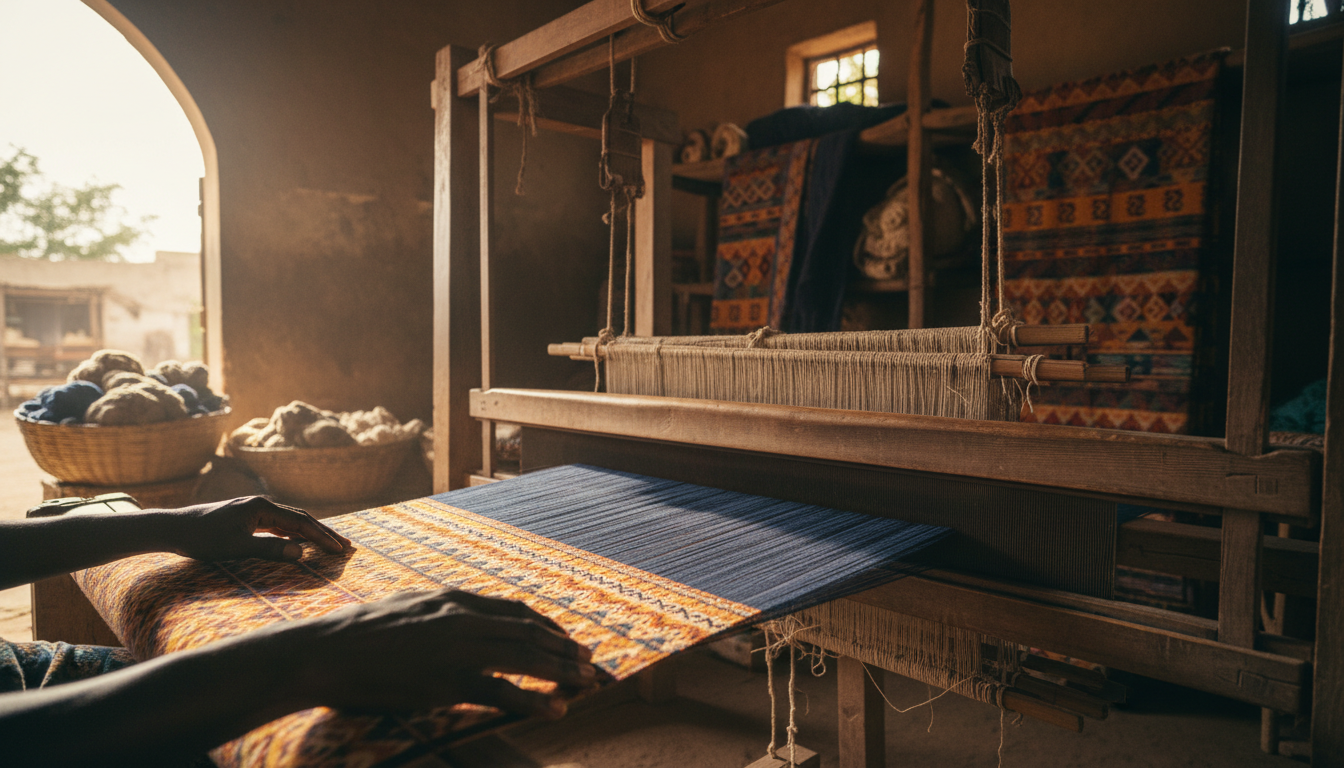
Africa's growing economy presents a vibrant market for textiles. With a young population and increasing disposable income, there's a burgeoning demand for quality fabrics. Chinese manufacturers, known for their expertise and innovation, have the capability to meet these demands with premium textiles, offering both quality and affordability.
By bridging the gap between these two markets, wholesalers are able to tap into a vast array of products that cater to diverse fashion and textile needs. This connection not only enhances product availability but also introduces new styles and trends to African consumers.
The Role of Technology in Facilitating Trade
Technology plays a crucial role in connecting African wholesalers with Chinese suppliers. Platforms that offer real-time communication, secure payment systems, and efficient logistics solutions have streamlined the process, making it easier than ever for businesses to collaborate across continents.

Strategies for Building Successful Partnerships
Building a successful partnership requires strategic planning and mutual understanding. Here are some key strategies that have proven effective:
- Market Research: Understanding the unique needs of the African market is essential for Chinese manufacturers to tailor their offerings effectively.
- Quality Assurance: Ensuring that products meet international quality standards builds trust and long-term relationships.
- Flexible Supply Chains: Adapting to market demands with flexible production and distribution channels ensures timely delivery and customer satisfaction.
Challenges and Solutions
Despite the opportunities, there are challenges in this cross-border trade. Language barriers, cultural differences, and logistical issues can pose significant hurdles. However, these can be mitigated through:
- Local Partnerships: Collaborating with local businesses who understand the market dynamics.
- Robust Communication Tools: Utilizing technology to bridge communication gaps.
- Efficient Logistics Networks: Partnering with reliable logistics companies to ensure smooth operations.

Case Study: A Success Story
An example of this successful collaboration can be seen in a partnership between a leading Chinese textile firm and a prominent African wholesaler. By leveraging each other's strengths—Chinese manufacturing capabilities and African market insights—they were able to achieve a remarkable increase in sales and market presence.
This partnership not only enhanced the product offerings available to African consumers but also provided significant economic benefits to both parties involved.
The Future of Textile Trade
The future looks promising for African wholesalers and Chinese textile manufacturers. As both markets continue to evolve, the opportunities for growth and innovation are limitless. Ongoing collaboration will likely lead to more tailored products, greater market penetration, and an overall enhancement in the quality of textiles available on the African continent.
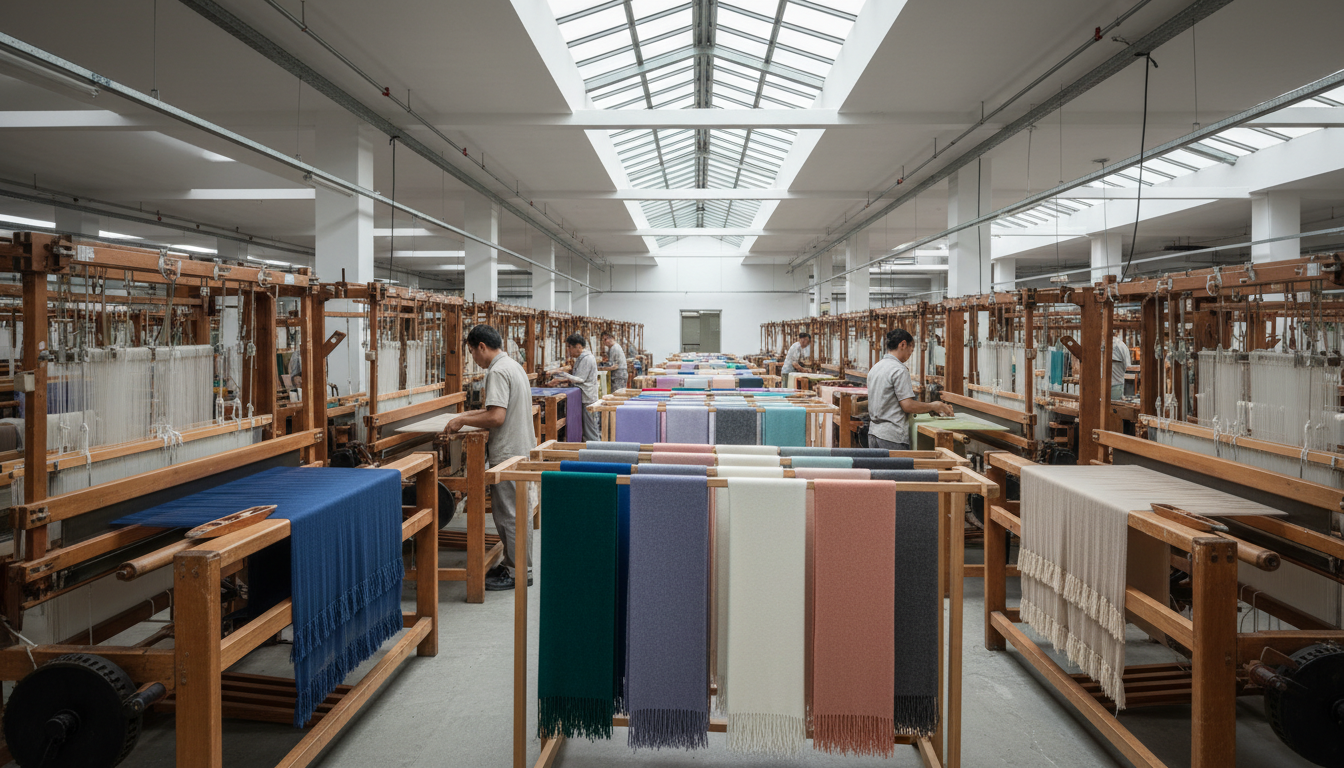
In conclusion, the connection between African wholesalers and premium Chinese textiles represents a significant step forward in global trade. Through strategic partnerships and the effective use of technology, this relationship is set to transform the textile industry, offering exciting prospects for all stakeholders involved.