Exploring the Rich History and Culture Behind African Wax Prints
SC
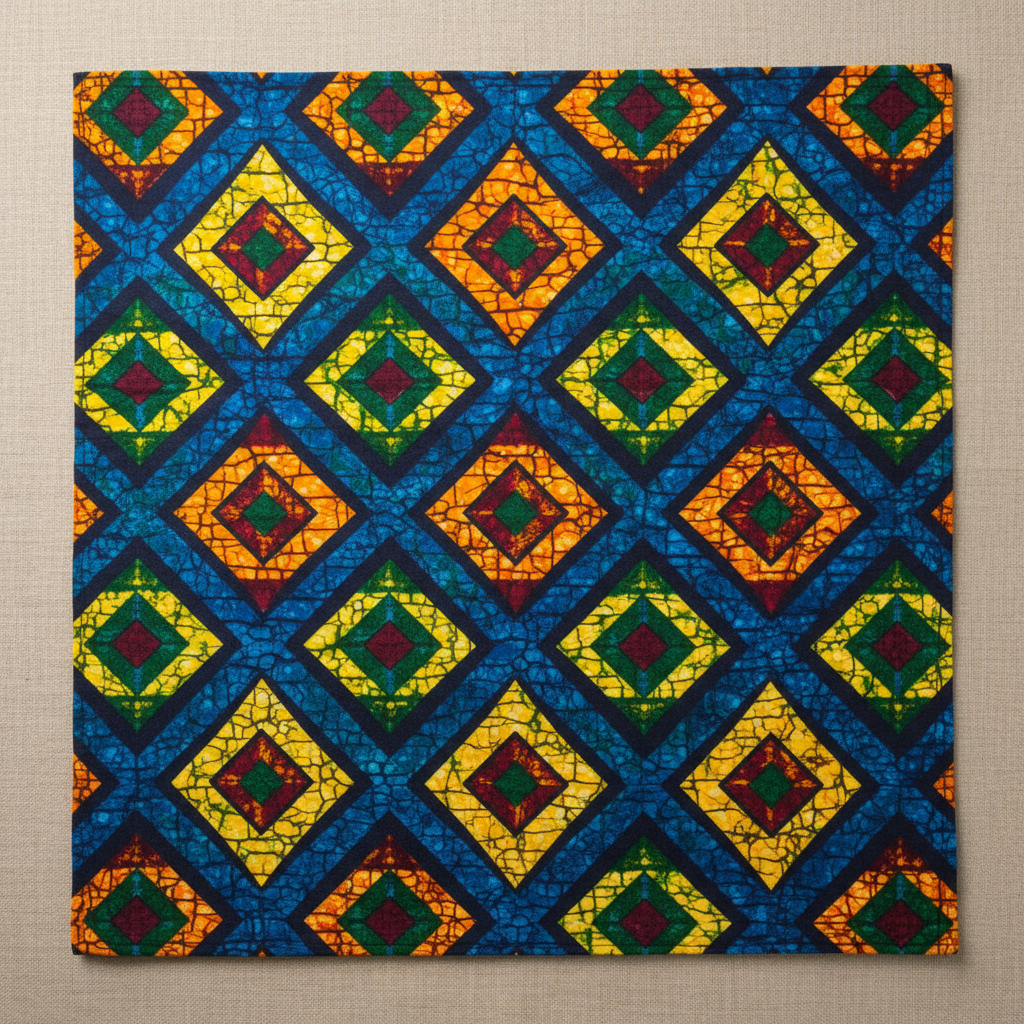
African wax prints are much more than vibrant patterns and bold colors. They carry a deep historical significance and cultural richness that reflect Africa's diverse heritage. These fabrics, widely known for their striking designs, are a symbol of identity, communication, and expression across the continent.
The Origins of African Wax Prints
The story of African wax prints begins in the 19th century with the Dutch traders who attempted to imitate Indonesian batik. These imitations found a new market in West Africa, where the designs resonated deeply with local communities. Over time, African designers and manufacturers embraced and adapted these prints, infusing them with indigenous aesthetics and meanings.
Adoption and Adaptation
As African wax prints became more popular, they evolved from mere imitations to vibrant expressions of African art and tradition. Local artisans began incorporating symbols, motifs, and colors that held cultural significance, turning the fabric into a canvas of storytelling and personal expression. The prints now serve as a visual language, conveying messages and representing social status, unity, and heritage.

The Cultural Significance
African wax prints are deeply embedded in the cultural fabric of many African societies. They play a crucial role in ceremonies, celebrations, and daily life. For instance, specific patterns are chosen for weddings, funerals, and other significant events, each design carrying its own unique meaning and symbolism.
A Symbol of Identity
In many African communities, clothing is a powerful symbol of identity and status. Wax prints allow individuals to express their personal and cultural identity, often serving as a medium for storytelling. The choice of pattern, color, and style can signify various aspects of one's background, beliefs, and social standing.

The Modern Appeal of African Wax Prints
In recent years, African wax prints have transcended traditional boundaries, capturing the attention of global fashion designers and enthusiasts. The unique blend of history, culture, and artistry makes these prints highly sought after in the fashion industry, where they are celebrated for their authenticity and vibrant appeal.
Global Influence
The global fashion scene has embraced African wax prints, incorporating them into contemporary designs and high-fashion collections. This international recognition has not only highlighted the beauty of the prints but also emphasized the importance of preserving and celebrating cultural diversity.
Today, African wax prints stand as a testament to the resilience and creativity of African cultures. They continue to inspire and captivate people worldwide, inviting a deeper appreciation for the stories and traditions woven into each piece of fabric.