Exploring the Rich Patterns of African Wax Print Fabrics
SC
The Vibrant World of African Wax Print Fabrics
When you think of African fashion, one of the first things that might come to mind is the vibrant and intricate patterns of African wax print fabrics. These textiles are not just a feast for the eyes but also tell stories and convey cultural significance. From their origins to their modern-day applications, African wax prints are a testament to the continent's rich heritage and artistic flair.
The Origins of African Wax Prints
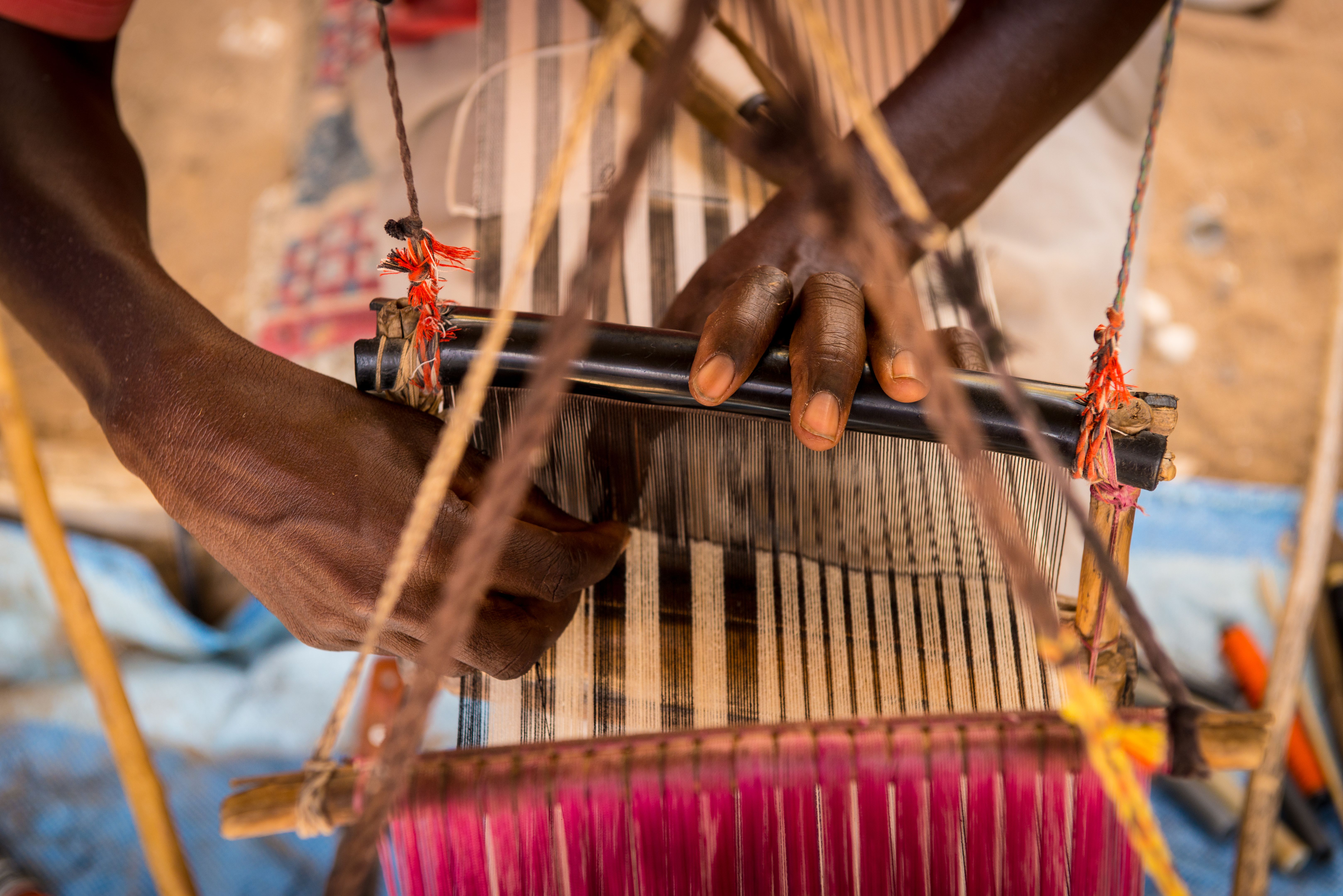
African wax prints, also known as Ankara, have a fascinating history that dates back to the 19th century. They were initially inspired by Indonesian batik, brought to Africa by Dutch traders who adapted the process for mass production. Over time, these fabrics became deeply embedded in African culture, evolving into a unique art form.
The wax print process involves applying wax to fabric to create patterns, then dyeing the fabric. The areas protected by the wax resist the dye, resulting in striking designs. This method allows for a wide array of colors and patterns, making each piece unique and vibrant.

Symbolism and Cultural Significance
African wax prints are more than just textiles; they are symbols of identity and heritage. Each pattern and color combination can hold specific meanings, often representing proverbs, historical events, or social status. For instance, a particular design might symbolize wealth and prosperity, while another might convey love and unity.
In many African communities, these fabrics play a crucial role in ceremonies and celebrations. They are worn during weddings, funerals, and other significant events, serving as a medium to express emotions and convey messages.
Modern Applications and Global Influence
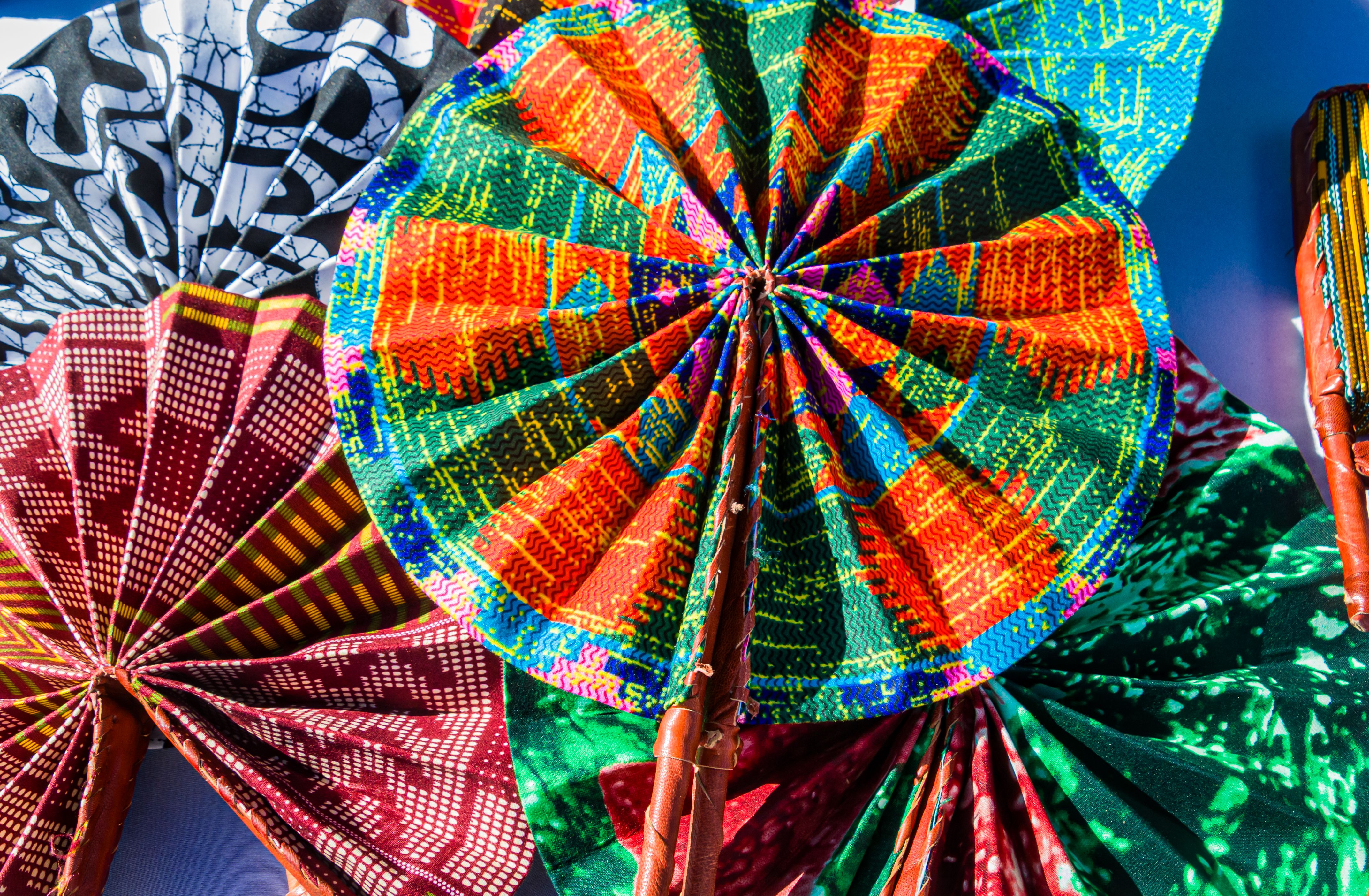
Today, African wax prints have transcended cultural boundaries, influencing global fashion trends. Designers worldwide have embraced these fabrics, incorporating them into contemporary clothing, accessories, and home decor. Their bold patterns and vibrant colors make them a favorite among fashion enthusiasts who appreciate unique and eye-catching designs.
Moreover, the versatility of wax prints allows them to be tailored into various styles, from traditional garments to modern, chic outfits. This adaptability has helped them maintain relevance in both local and international markets.
Preserving Tradition While Innovating
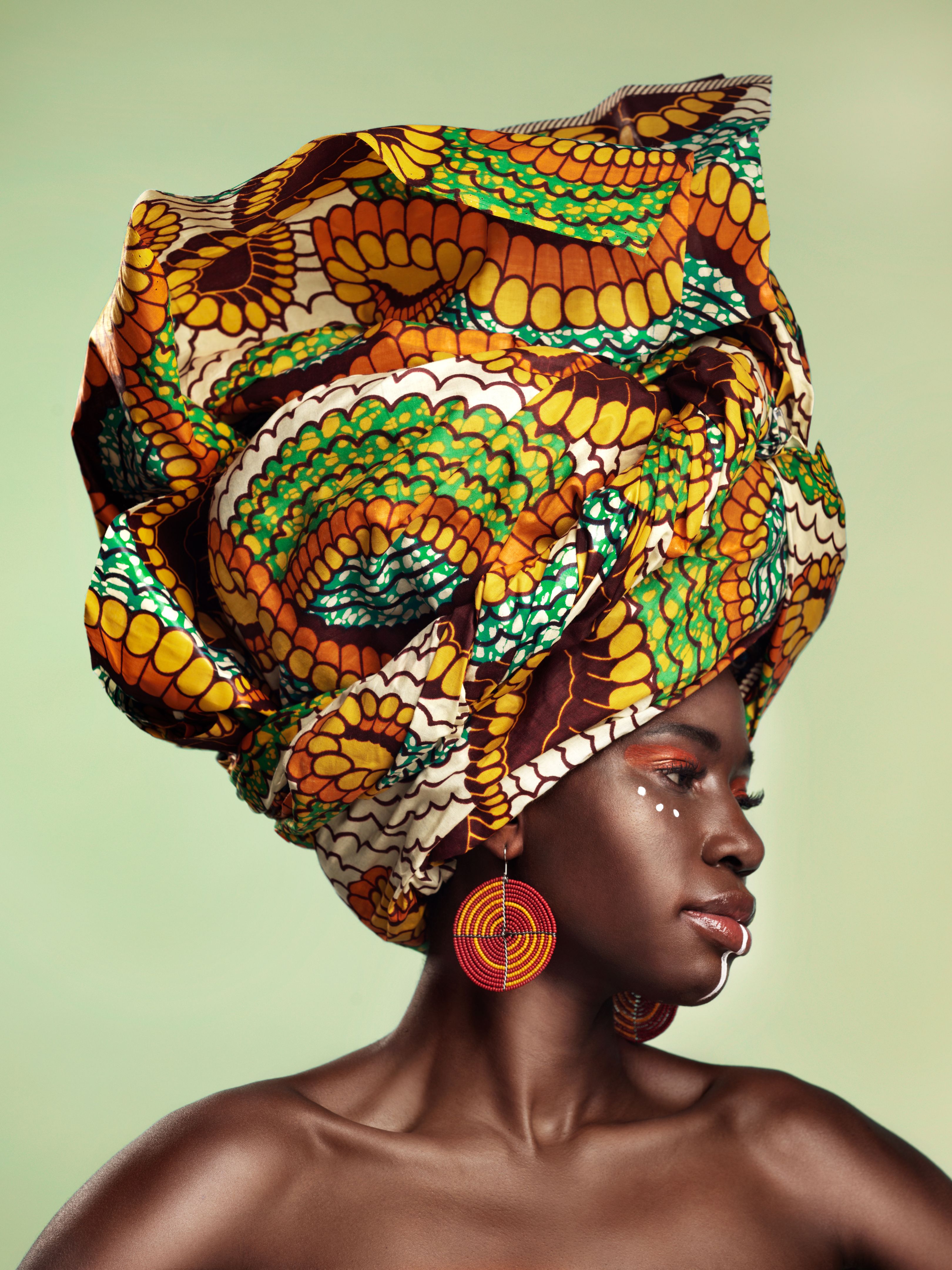
While African wax prints continue to evolve, there is an ongoing effort to preserve traditional techniques and patterns. Artisans and designers are finding innovative ways to blend the old with the new, ensuring that these fabrics remain a vital part of African culture.
By supporting local artisans and sustainable practices, consumers can contribute to the preservation of this rich art form. The continued appreciation and demand for African wax prints help keep these traditions alive, fostering a greater understanding and respect for African culture worldwide.

In conclusion, African wax print fabrics are more than just visually stunning textiles. They are a celebration of cultural heritage, storytelling, and artistic expression. Whether you're wearing them or simply admiring their beauty, these fabrics offer a window into the diverse and vibrant world of African culture.