From Design to Delivery: The Journey of African Wax Prints
SC
Understanding African Wax Prints
African wax prints are more than just textiles; they are a vibrant representation of culture and identity. Originating in the 19th century, these designs have a rich history and significant cultural value across Africa. The bold patterns and vivid colors are not only eye-catching but also tell stories, convey messages, and signify social status.
The journey of an African wax print starts with a unique design inspired by various elements such as nature, folklore, and daily life. Each print carries a name and a meaning, often reflecting social commentary or personal stories.
The Art of Design
Designing African wax prints is an art form that requires creativity and deep cultural understanding. Designers often draw inspiration from traditional motifs, reimagining them in contemporary styles. The process begins with sketching patterns, selecting color palettes, and finalizing the print layout.
Color plays a crucial role in these designs, with each hue having a specific significance. For instance, red might symbolize passion or love, while green often represents fertility and prosperity. The choice of colors and patterns can vary significantly by region and intended message.

Creating the Wax Print
The creation of a wax print involves a meticulous process known as wax-resist dyeing. This technique involves applying wax to fabric before dyeing, creating intricate patterns as the wax prevents the dye from penetrating certain areas. This method allows for the striking contrasts and detailed designs that define African wax prints.
Production and Manufacturing
Once the design is complete, it moves to production. The fabric, usually 100% cotton, is prepared for printing. The wax-resist technique is applied, followed by multiple dye baths to achieve the desired colors. The fabric is then washed to remove the wax, revealing the final design.

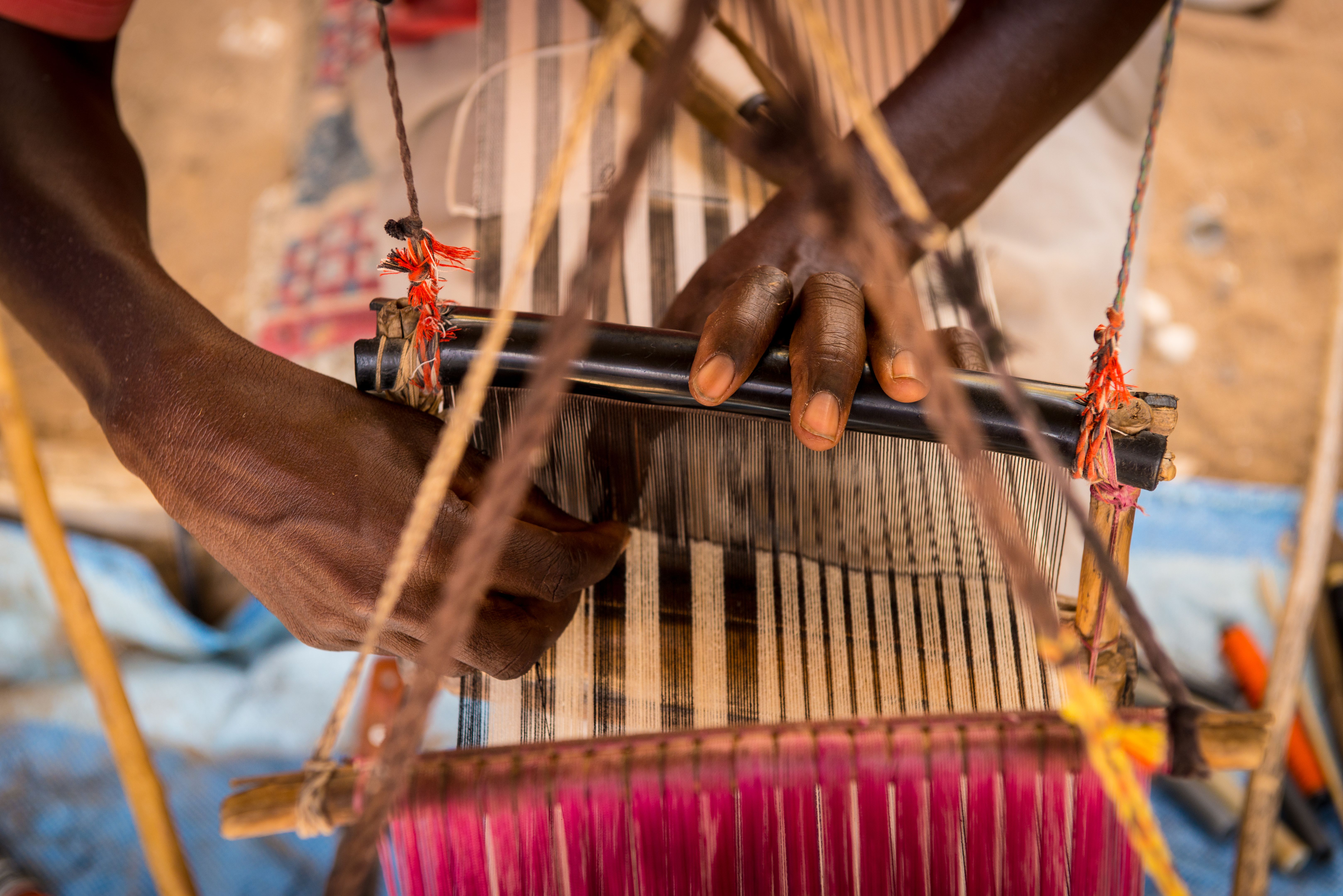
The manufacturing process involves both traditional methods and modern technology. While some prints are crafted by artisans using age-old techniques, others are produced using advanced machinery to meet global demand. This blend of tradition and innovation ensures the preservation of cultural heritage while catering to contemporary markets.
From Local Markets to Global Fashion
After production, African wax prints are distributed locally and internationally. They have become a staple in global fashion, appearing in everything from high-end designer collections to everyday wear. These textiles are celebrated for their versatility, used in clothing, accessories, and home décor.

The Cultural Impact
African wax prints hold significant cultural importance. They serve as a medium for storytelling, representing personal and collective narratives. Wearing these prints can be an expression of pride, identity, and connection to African heritage.
Moreover, the popularity of these textiles has fostered economic growth in communities involved in their production, supporting local artisans and businesses. This cultural and economic impact highlights the enduring significance of African wax prints in the global landscape.
Conclusion
The journey of African wax prints from design to delivery is a testament to their enduring appeal and cultural richness. These textiles remain a powerful symbol of African identity, celebrated worldwide for their beauty and meaning. As they continue to evolve, African wax prints will undoubtedly inspire and connect people across the globe.