From Factory to Fashion: The Journey of African Wax Fabrics
SC
The Origins of African Wax Fabrics
African wax fabrics, also known as Ankara, have a rich history that intertwines with both African and European cultures. These vibrant textiles are not originally from Africa, as many might assume. Instead, they trace their origins to the Indonesian batik tradition, which was introduced to West Africa by Dutch traders in the 19th century. Over time, these fabrics have evolved to become a symbol of African identity and fashion.
The journey begins in factories across Europe and China, where the intricate designs are printed onto cotton fabric. The process involves a wax-resist dyeing technique that creates the distinctive patterns and colors. Despite technological advances, the essence of traditional methods remains, ensuring each piece is unique.

From Design to Production
The creation of African wax fabrics starts with the design process. Designers draw inspiration from a myriad of sources, including cultural symbols, nature, and everyday life. These designs are then transformed into digital patterns, ready for printing. The use of vibrant colors and bold patterns is a hallmark of these fabrics, making them instantly recognizable.
Once the designs are finalized, the production begins. High-quality cotton is sourced and prepared for printing. The wax-resist technique involves applying wax to the fabric in specific patterns, which prevents dyes from penetrating the fabric where the wax is applied. This creates the intricate, multicolored patterns that are so beloved.
The Role of Technology
Modern technology has streamlined the production of African wax fabrics, allowing for greater consistency and quality. Digital printing techniques enable manufacturers to reproduce complex designs with precision. This technological advancement ensures that the fabrics retain their vibrant colors and intricate patterns, making them a favorite among fashion designers worldwide.

The Cultural Significance of African Wax Fabrics
African wax fabrics are more than just textiles; they are a form of communication and expression. Each pattern and color can hold significant meaning, often representing social status, cultural identity, or personal beliefs. In many African communities, these fabrics are used to convey messages and tell stories.
The cultural significance extends to various aspects of life, from ceremonies to everyday wear. They are often worn during important events such as weddings, funerals, and festivals, serving as a symbol of unity and cultural pride. The fabrics' ability to convey messages without words makes them a powerful tool for storytelling and expression.
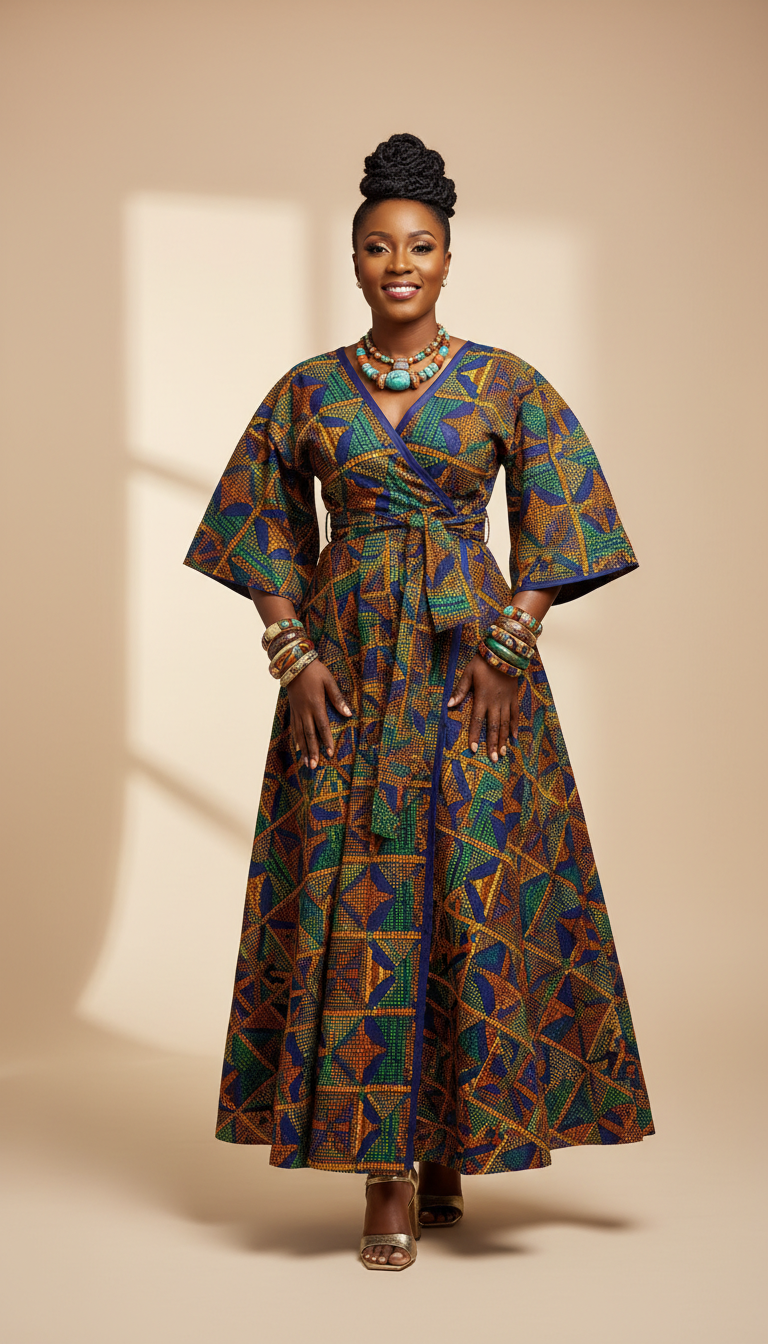
The Global Fashion Impact
In recent years, African wax fabrics have gained international recognition, influencing global fashion trends. Designers around the world have embraced the bold patterns and vibrant colors, incorporating them into their collections. This global interest has helped elevate African fashion, bringing it to the forefront of the fashion industry.
The versatility of African wax fabrics allows them to be used in a variety of fashion items, from dresses and skirts to accessories and home decor. Their ability to blend traditional and contemporary styles has made them a favorite among fashion enthusiasts seeking unique and meaningful pieces.
Supporting Local Economies
The popularity of African wax fabrics has had a positive impact on local economies. The demand for these fabrics supports local artisans and businesses, providing employment opportunities and promoting economic growth. Many African countries have embraced this industry, recognizing its potential to empower communities and preserve cultural heritage.
By investing in African wax fabrics, consumers can support sustainable fashion practices that prioritize ethical production and cultural preservation. This conscious choice helps to ensure that the legacy of these beautiful textiles continues for generations to come.