How to Source Bulk Fabric Supply: Connecting African Wholesalers with Chinese Manufacturers
SC
Understanding the Market
The textile industry is a cornerstone of global trade, with Africa and China playing pivotal roles. African wholesalers are constantly seeking high-quality fabrics at competitive prices, and China, as a leading manufacturer, offers a plethora of options. Understanding the nuances of sourcing bulk fabric supplies is essential for a successful partnership.
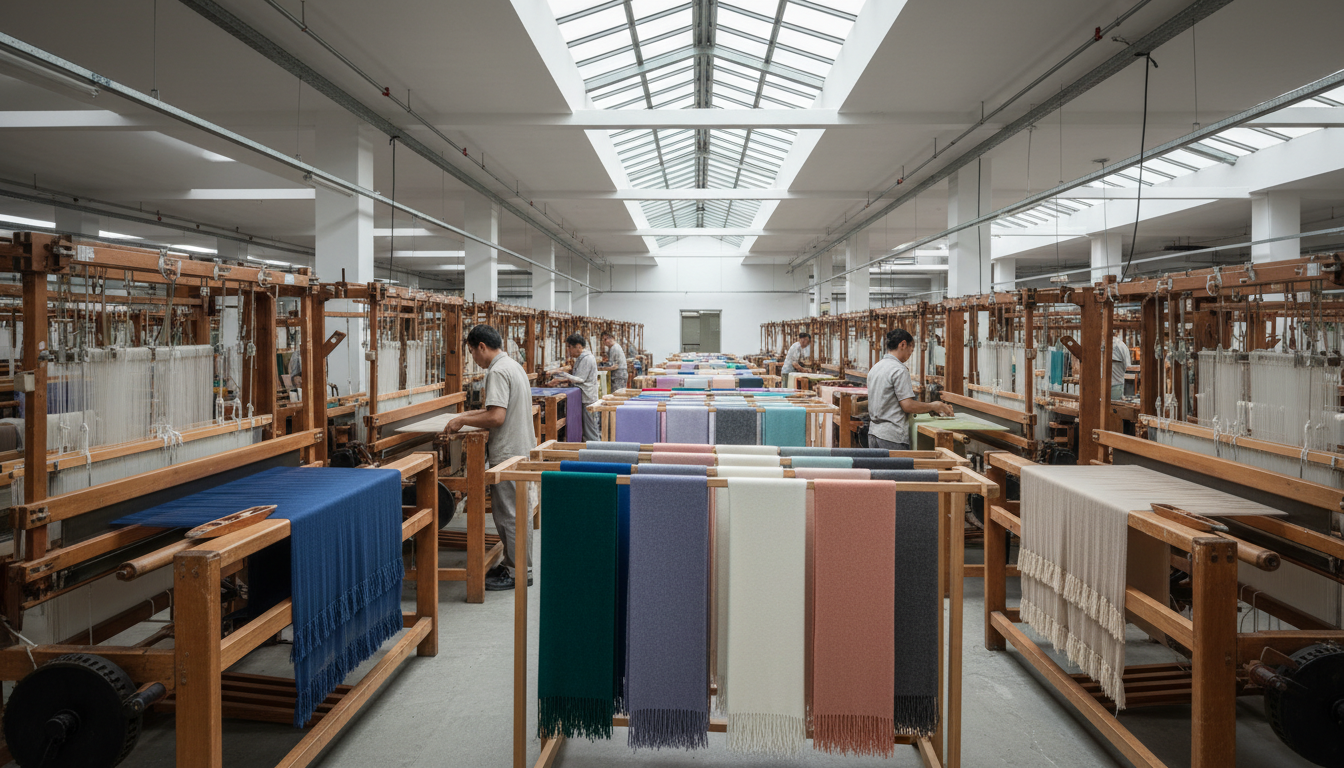
China's vast manufacturing capabilities mean it can meet diverse fabric demands, from cotton to synthetic blends. African wholesalers need to identify their specific needs, focusing on fabric types, quantities, and quality standards. This clarity will streamline the sourcing process and foster stronger business relationships.
Building Strong Partnerships
Creating effective partnerships involves more than just transactional exchanges. It's about building trust and understanding between African wholesalers and Chinese manufacturers. Communication is key, and both parties must be willing to engage in open dialogue about expectations and limitations.
Utilizing digital platforms can facilitate these connections, allowing for real-time communication and updates. Establishing these channels early ensures that both sides are aligned, reducing potential misunderstandings and fostering a collaborative environment.

Research and Networking
Research plays a critical role in sourcing fabric. African wholesalers should conduct thorough due diligence on potential Chinese partners, considering factors such as reputation, capacity, and compliance with international standards. Attending trade shows and industry events can also be beneficial for networking and discovering new opportunities.
- Identify key suppliers through online directories and trade associations.
- Engage in direct conversations to assess compatibility.
- Visit manufacturing facilities if possible to verify capabilities.
Negotiating Contracts
Once potential partners have been identified, the next step is negotiating terms. This includes pricing, delivery schedules, and quality assurance processes. African wholesalers should aim for contracts that are clear and mutually beneficial, highlighting specific terms and conditions.

Quality Assurance
Ensuring the quality of fabric is essential. African wholesalers should establish quality benchmarks and conduct regular inspections. This might involve third-party assessments or on-site visits to verify that the fabrics meet the agreed standards.
Quality assurance not only protects the interests of wholesalers but also enhances their reputation with local retailers and consumers. By prioritizing quality, wholesalers can secure repeat business and build long-term success.
Logistics and Shipping
Logistical considerations are crucial when sourcing from China. This includes understanding shipping routes, customs regulations, and delivery timelines. Wholesalers should work closely with logistics partners to ensure efficient and cost-effective transportation of goods.
Having a comprehensive logistics plan in place minimizes risks and ensures that fabric supplies reach their destination promptly, ready to meet market demand.
Leveraging Technology
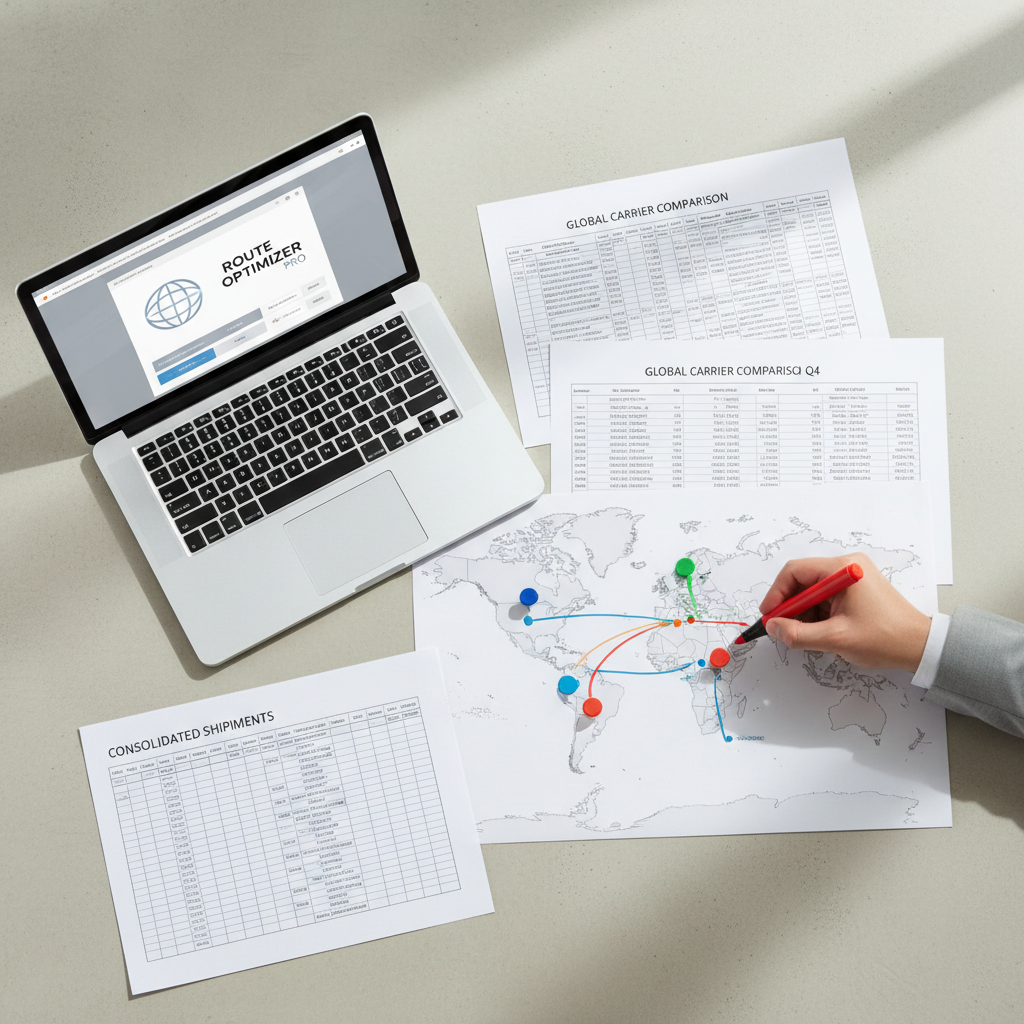
Incorporating technology can streamline the sourcing process. Tools such as supply chain management software and digital marketplaces can enhance efficiency and transparency. These technologies enable real-time tracking and inventory management, making it easier to manage orders and supplies.
By embracing technology, African wholesalers can stay ahead of the curve, ensuring they remain competitive in the ever-evolving textile market.