Myth-Busting: The Truth About African Wax Prints From China
SC
Understanding African Wax Prints
African wax prints are vibrant, colorful textiles that have become synonymous with African fashion and culture. Despite their name, the origins and production of these fabrics are more complex than many realize. This article aims to debunk some common myths about African wax prints, particularly those produced in China.
The journey of African wax prints began in the 19th century, when Dutch merchants introduced Indonesian batik to the African market. Over time, these prints evolved into a unique art form that reflects African aesthetics and cultural significance.
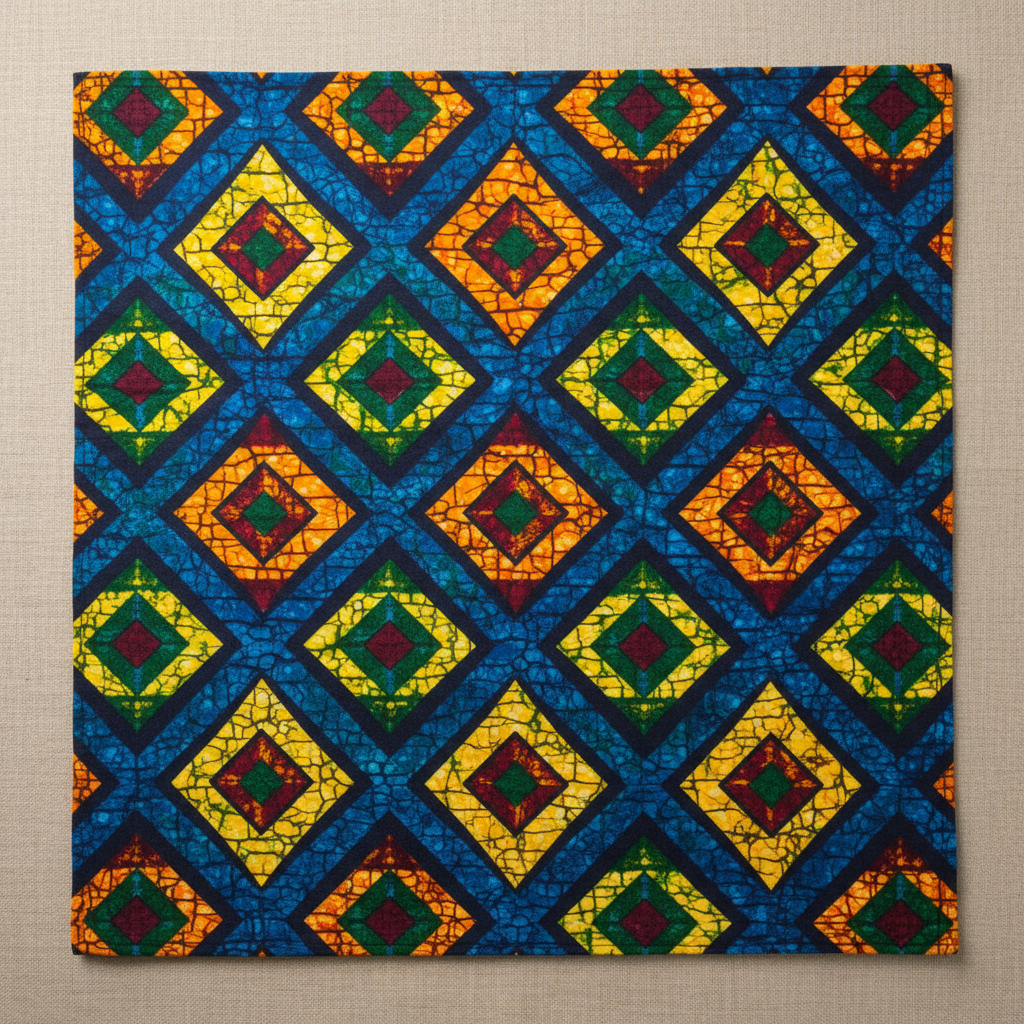
Myth: All African Wax Prints Are Made in Africa
One of the most pervasive myths is that all African wax prints are made in Africa. In reality, a significant portion of these textiles are produced in countries like China and the Netherlands. While this may surprise some, it is essential to understand the historical and economic factors at play.
African countries, such as Ghana and Nigeria, do manufacture their own wax prints. However, due to the high demand and lower production costs in Asia, many companies choose to outsource their manufacturing to China. This allows for greater production capacity and competitive pricing.
Myth: Chinese Wax Prints Lack Quality
Another common misconception is that wax prints from China are of inferior quality. While there can be variations, many Chinese manufacturers adhere to high-quality standards, producing textiles that are both durable and vibrant.

These manufacturers often employ advanced technology and techniques to replicate the intricate designs and vibrant colors characteristic of traditional African wax prints. Buyers should always check for quality indicators, such as fabric weight and colorfastness, regardless of origin.
The Influence of Globalization
Globalization has played a significant role in the production and distribution of African wax prints. The interconnected nature of today’s markets allows for the cross-pollination of cultures and industries. This has led to a blend of African design with international production techniques.
While some purists may lament the outsourcing of production, others argue that it democratizes access to these beautiful fabrics, allowing more people to enjoy them at affordable prices.

How to Identify Authentic Wax Prints
For those concerned about authenticity, there are a few tips to ensure you’re purchasing genuine wax prints. Look for:
- Consistent patterns on both sides of the fabric.
- Vibrant, long-lasting colors.
- Manufacturer’s label or stamp indicating origin.
Understanding these elements can help consumers make informed decisions and appreciate the rich history behind each piece of fabric.
The Cultural Impact of African Wax Prints
Regardless of where they are produced, African wax prints have a profound cultural significance. They serve as a medium of expression, storytelling, and identity within African communities and the diaspora.
The patterns often carry symbolic meanings and are used in various ceremonies and events. They represent a fusion of tradition and modernity, embodying the dynamic nature of African culture.
Conclusion
In conclusion, African wax prints, whether produced in China or Africa, continue to be a cherished part of cultural heritage. By understanding the myths and realities surrounding their production, consumers can better appreciate the artistry and history behind these stunning textiles.
As the market continues to evolve, it remains crucial to celebrate the diversity and creativity that African wax prints bring to the global fashion scene.