The Evolution of African Wax Prints: A Cultural and Fashion Exploration
SC
The Origins of African Wax Prints
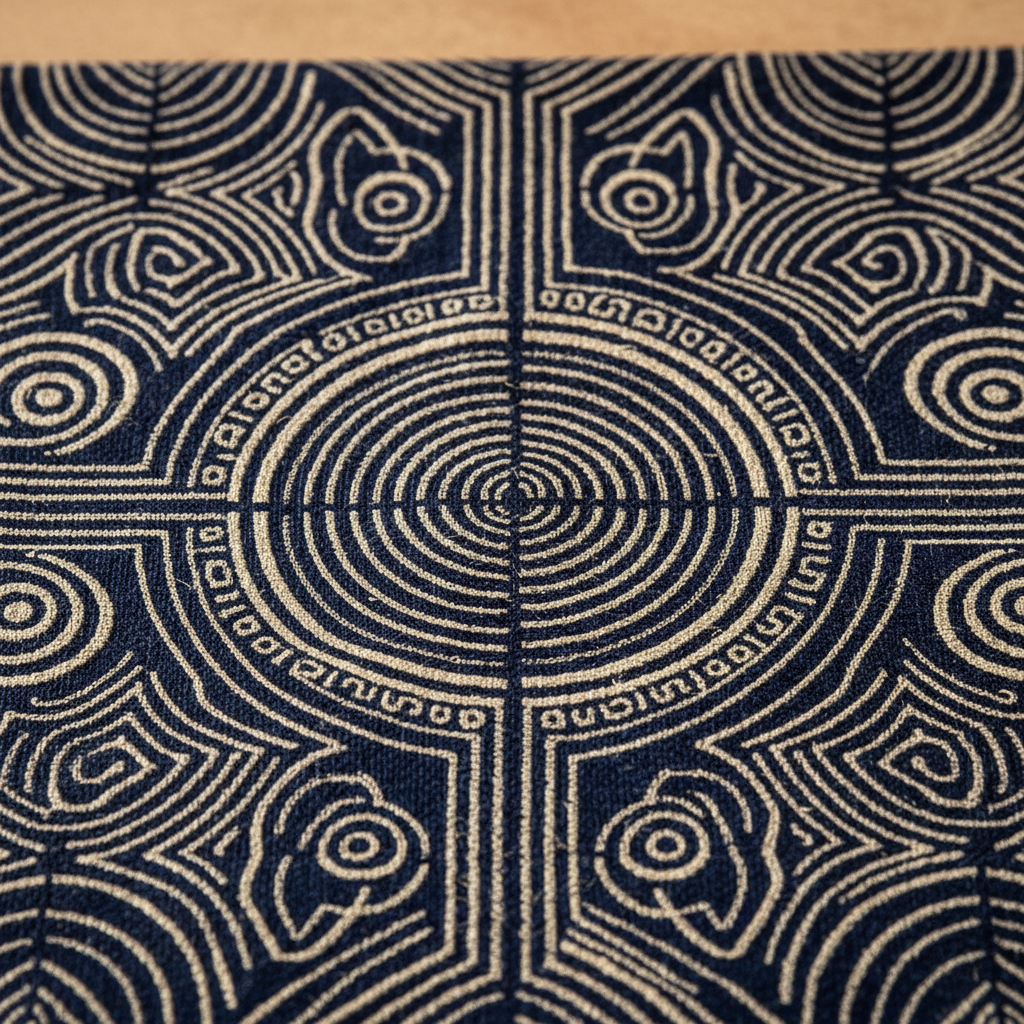
African wax prints, also known as Ankara, have a rich history that intertwines with cultural identity and global trade. These vibrant textiles originated in the 19th century when Dutch traders introduced Indonesian batik techniques to West Africa. The result was a fusion of designs that resonated deeply with African aesthetics, creating a unique art form that soon became integral to African culture.
Initially, these prints were mass-produced by European companies, but over time, local manufacturers in Africa began to adopt and adapt these techniques. The incorporation of African motifs and symbols into the designs marked a significant shift, turning these prints into powerful symbols of African heritage and identity.
The Cultural Significance of Wax Prints
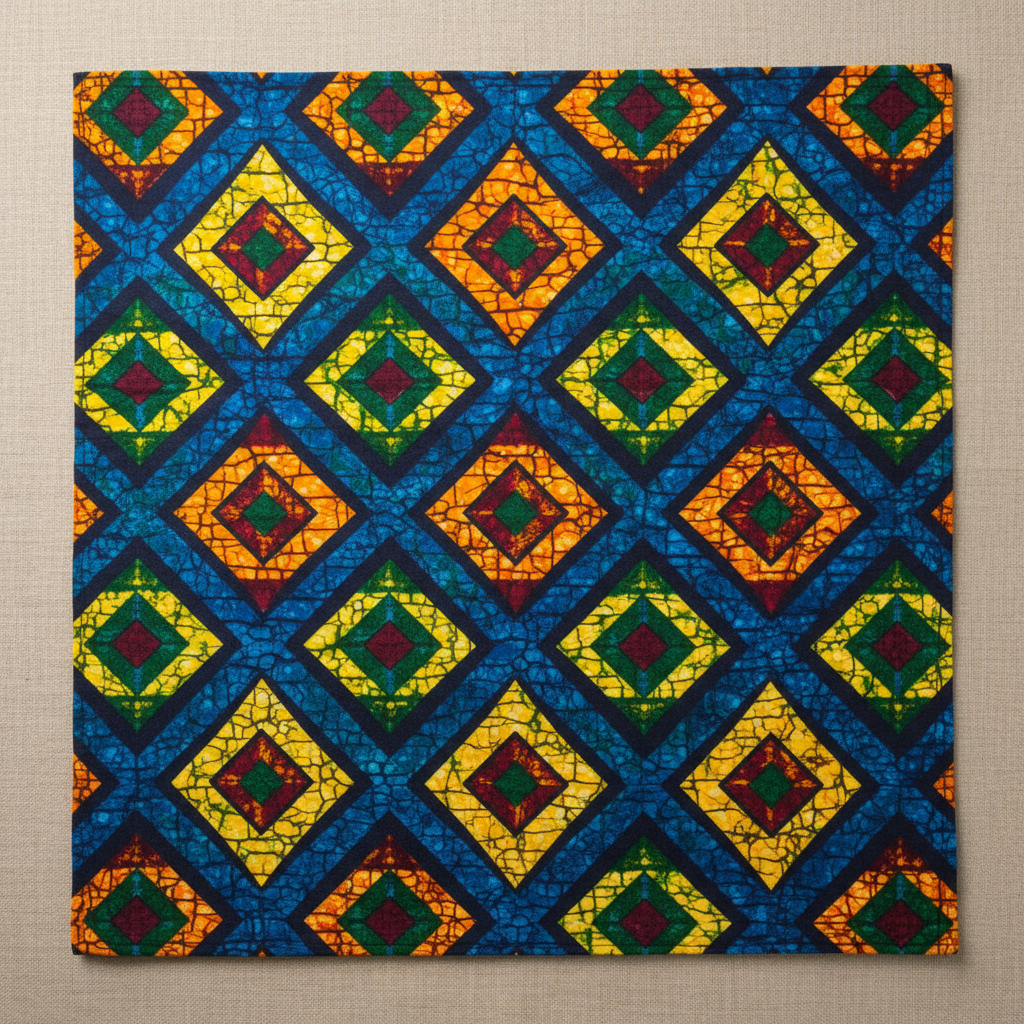
The cultural impact of wax prints extends beyond fashion. These textiles are often used to convey messages, tell stories, and celebrate significant life events. Each pattern can hold deep meanings, representing everything from proverbs to historical narratives. They are commonly worn during festivals, weddings, and other community gatherings, symbolizing unity and cultural pride.
Moreover, wax prints are a means of personal expression. Individuals can choose patterns that resonate with their personal stories or beliefs, making each piece a reflection of personal identity. This personalization adds another layer of depth to their cultural significance.
The Fashion Evolution of African Wax Prints
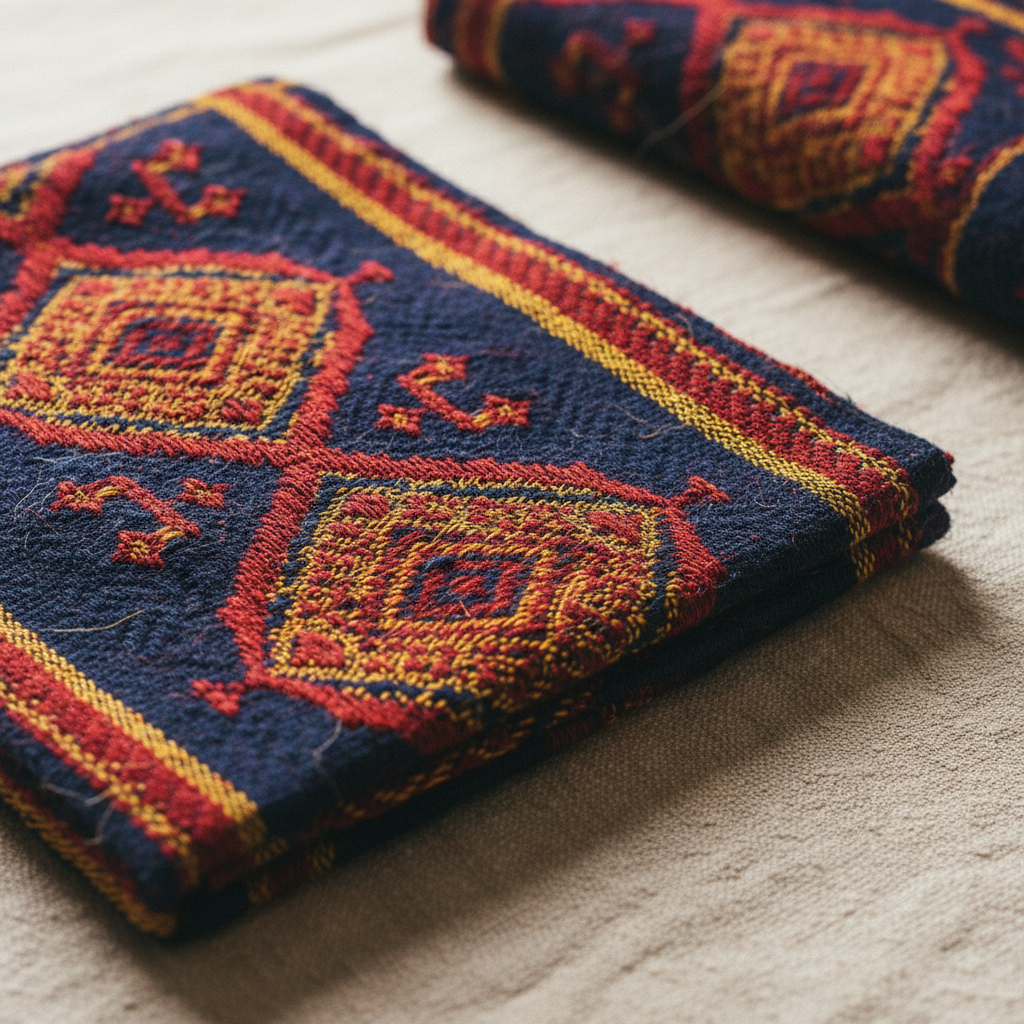
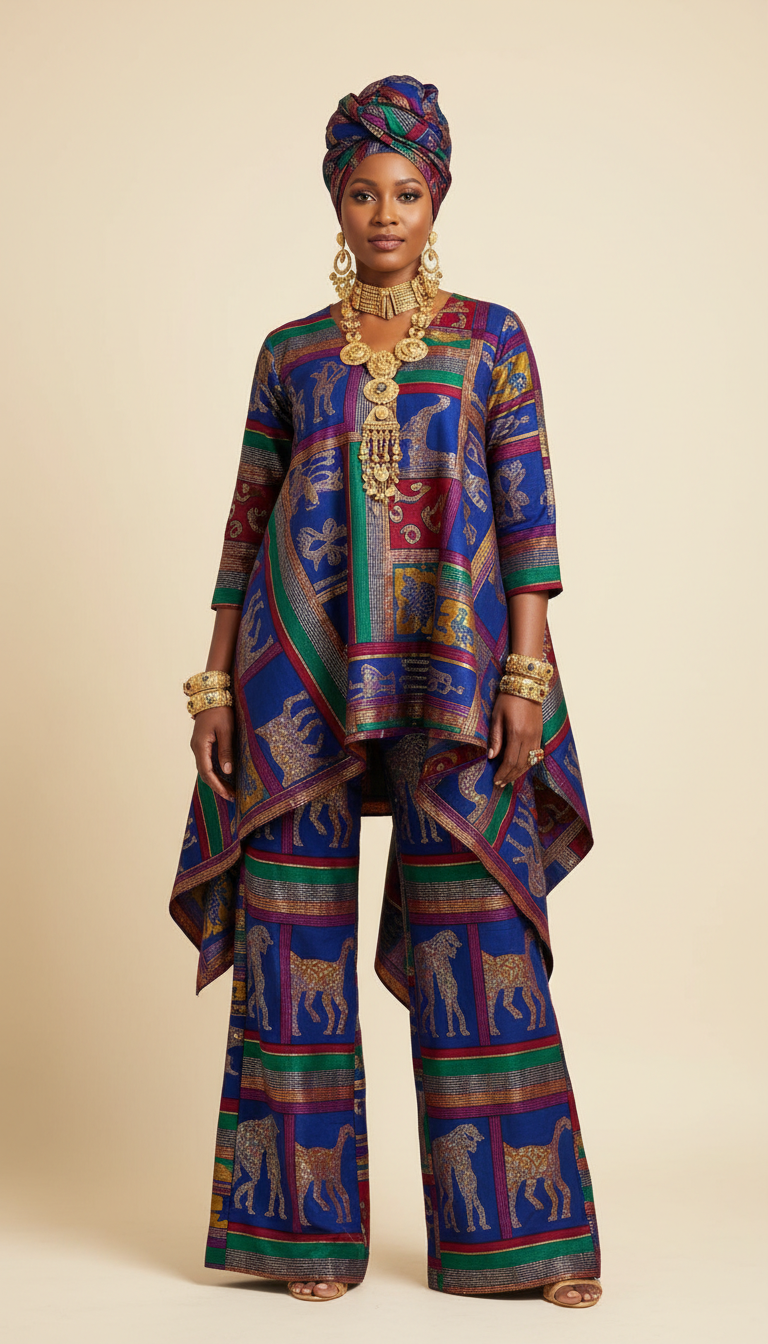
Over the decades, African wax prints have evolved from traditional garments to high-fashion statements. Designers across the globe have embraced these prints, incorporating them into contemporary fashion collections. This fusion of traditional and modern styles has led to a resurgence of interest in African prints on international runways.
Several African designers have gained global recognition by showcasing innovative designs that blend traditional wax prints with modern silhouettes. This trend has not only elevated the status of African fashion but also highlighted the versatility and timeless appeal of wax prints.
Wax Prints in the Global Market
The global demand for African wax prints has surged in recent years, driven by their vibrant aesthetics and cultural significance. They are now exported worldwide, appealing to diverse markets and consumers who appreciate their unique charm. The global market has also encouraged sustainable practices, with many brands focusing on ethical production methods.
As the popularity of wax prints grows, they continue to inspire designers and fashion enthusiasts alike. Their influence can be seen in a range of fashion items, from dresses and skirts to accessories and home decor. This widespread appeal underscores the universal allure of African wax prints.
The Future of African Wax Prints
Looking ahead, the future of African wax prints appears promising. As they continue to be celebrated in both traditional and contemporary contexts, these prints are likely to evolve further, embracing new technologies and design innovations. Digital printing techniques, for instance, offer exciting possibilities for creating more intricate and personalized designs.
The ongoing dialogue between tradition and modernity ensures that African wax prints will remain a dynamic and relevant element of both African culture and global fashion. As they continue to captivate audiences worldwide, they stand as a testament to the rich tapestry of African heritage and creativity.