The Ultimate Guide to African Wax Print Fabrics: From China to Africa
SC
Understanding African Wax Print Fabrics
African wax print fabrics are renowned for their vibrant colors and intricate patterns, often used to tell stories and convey cultural significance. Originating in the 19th century, these fabrics have a rich history that spans continents and cultures.
The Origins: From Indonesia to Europe
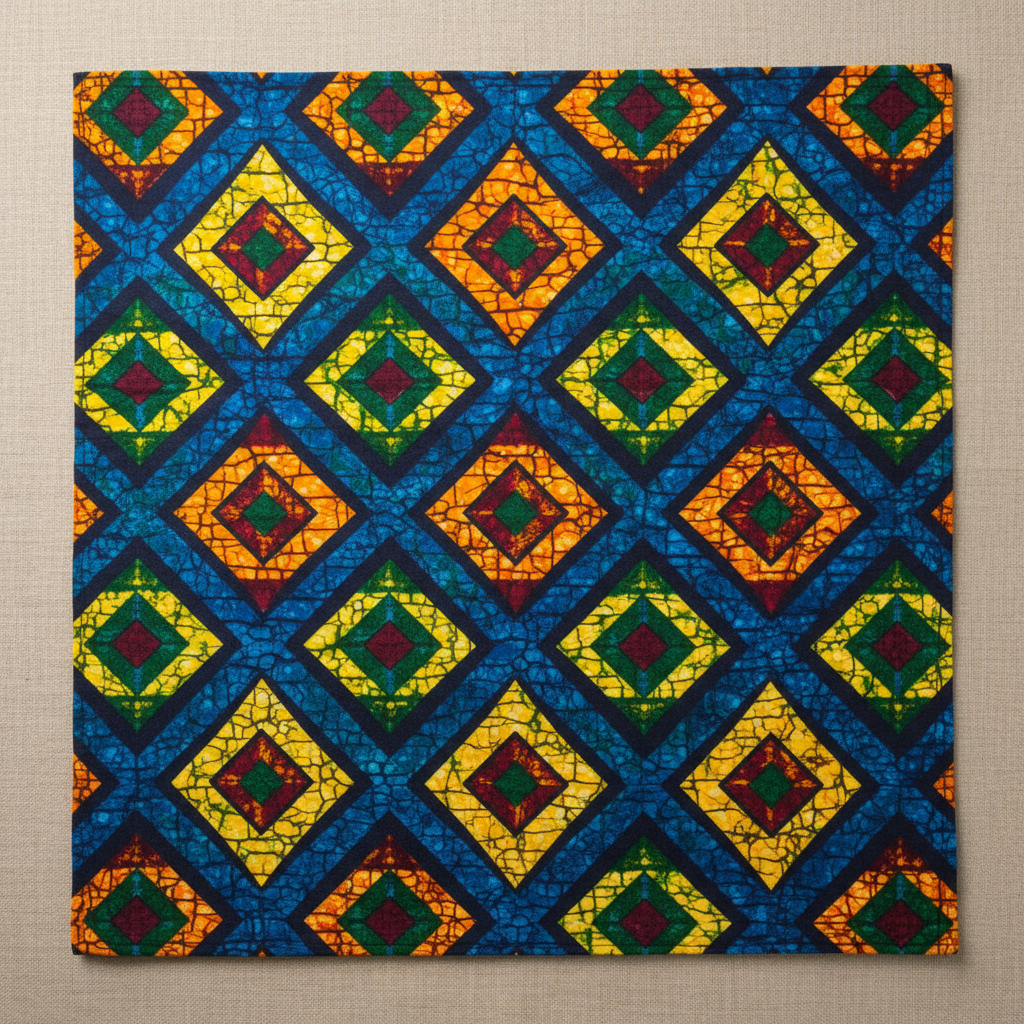
The journey of wax prints began in Indonesia with batik, a traditional method of applying wax-resistant dyeing techniques to cloth. European merchants, particularly the Dutch, were captivated by this art form and sought to replicate it. The result was the creation of wax print fabrics, which were eventually introduced to African markets.
The Role of China in Production
In recent years, China has become a major player in the production of African wax prints. Chinese manufacturers have the capability to produce these fabrics at a lower cost, allowing for wider distribution across Africa. While this has made the fabrics more accessible, it has also sparked debates about authenticity and cultural appropriation.

Characteristics of African Wax Prints
African wax prints are known for their bold and colorful designs. Each pattern often carries a specific name and meaning, reflecting aspects of African life and culture. Some popular themes include proverbs, historical events, and everyday life.
Production Process
The production of wax prints typically involves applying wax onto fabric in intricate patterns, followed by dyeing. The wax acts as a resist, ensuring the dyed colors do not penetrate the areas covered by wax, creating unique patterns. The fabric is then boiled to remove the wax, resulting in vibrant, long-lasting colors.

Choosing and Caring for Wax Prints
When selecting African wax prints, consider the fabric's quality and the vibrancy of its colors. High-quality wax prints are often made from 100% cotton and retain their colors after washing. To care for these fabrics, wash them in cold water and avoid using bleach to maintain their brilliance.
Incorporating Wax Prints into Fashion
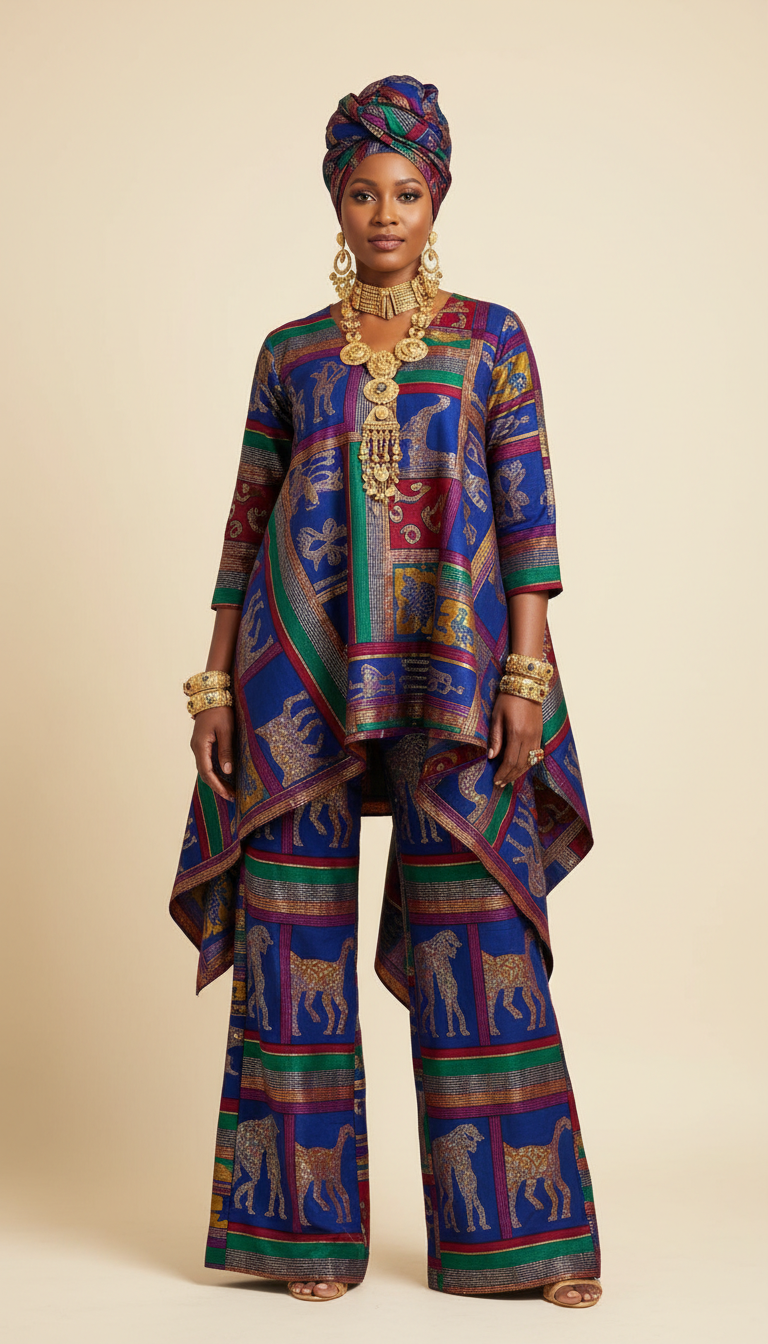
Wax prints have become a staple in fashion, used in everything from traditional clothing to modern, contemporary designs. They are celebrated for their versatility and ability to make bold fashion statements. Many designers incorporate these prints into their collections, honoring African heritage while appealing to a global audience.
The Cultural Impact of Wax Prints
African wax prints are more than just textiles; they are a form of expression and identity. They play a crucial role in various ceremonies and celebrations, symbolizing unity and cultural pride. As these fabrics continue to evolve, they remain a vibrant part of Africa's cultural tapestry.
The journey of African wax prints from Indonesia to Europe, and their production in China, reflects a complex history of globalization and cultural exchange. Despite challenges, these fabrics continue to thrive, celebrating the rich, diverse cultures of Africa.