Understanding the Differences: Cotton vs. Polyester Batik Textiles
SC
Batik textiles are renowned for their intricate designs and cultural significance. Two of the most popular materials used in batik production are cotton and polyester. Understanding the differences between these fabrics can help you make informed decisions when purchasing or working with batik textiles.
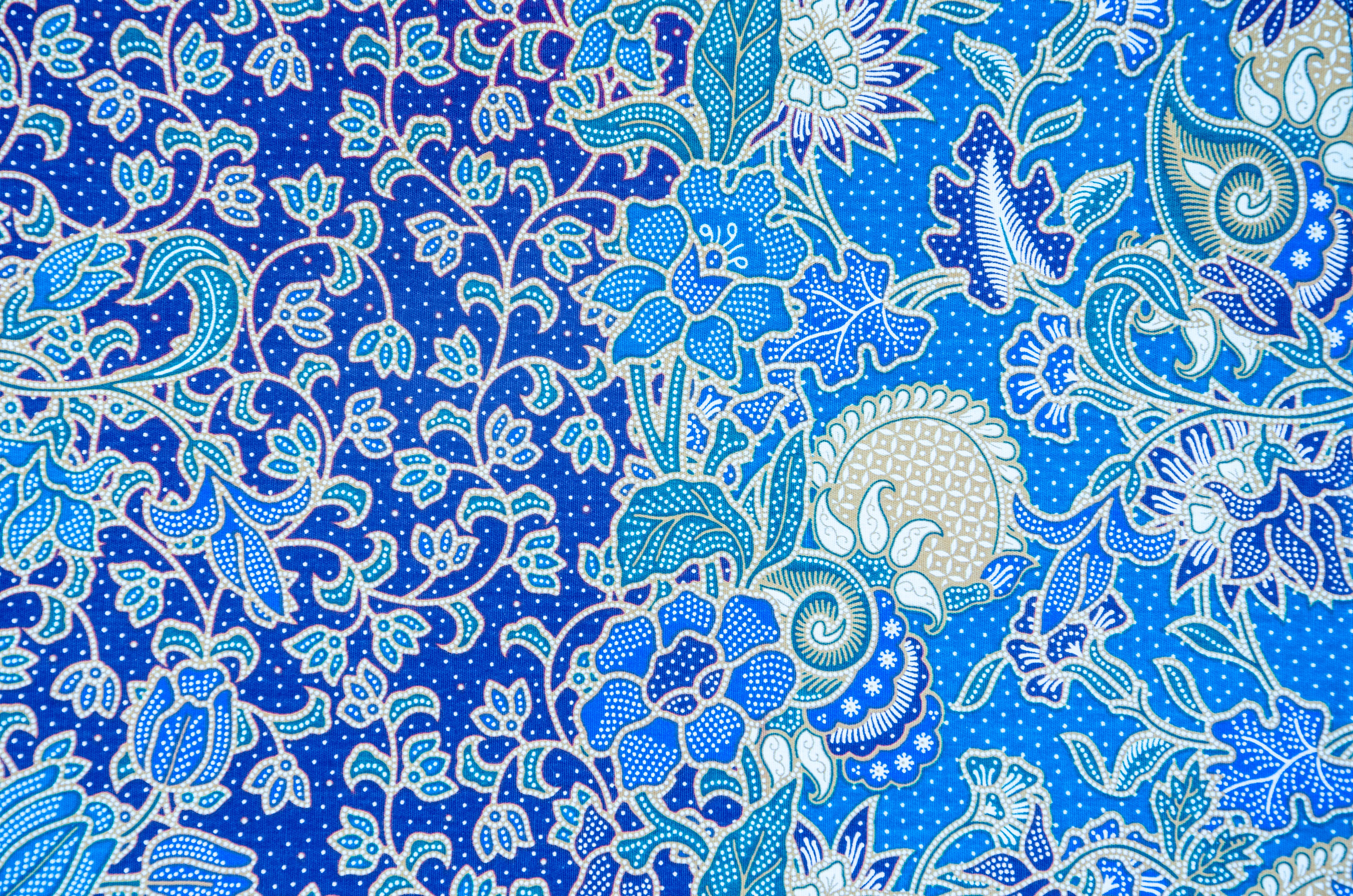
Cotton Batik Textiles
Natural and Breathable
Cotton is a natural fiber known for its breathability and comfort. It absorbs moisture well, making it an excellent choice for warm climates. Cotton batik textiles are often favored for clothing and home décor due to their soft texture and ability to keep you cool.
Durability and Maintenance
Cotton batiks are generally durable and can withstand frequent washing. However, they may shrink slightly after the first wash. It is essential to follow care instructions to maintain the fabric's quality and vibrant colors over time.

Polyester Batik Textiles
Cost-Effective and Versatile
Polyester is a synthetic fiber known for its affordability and versatility. Polyester batik textiles are typically less expensive than their cotton counterparts, making them a popular choice for budget-conscious buyers. Additionally, polyester offers a wide range of colors and patterns.
Low Maintenance
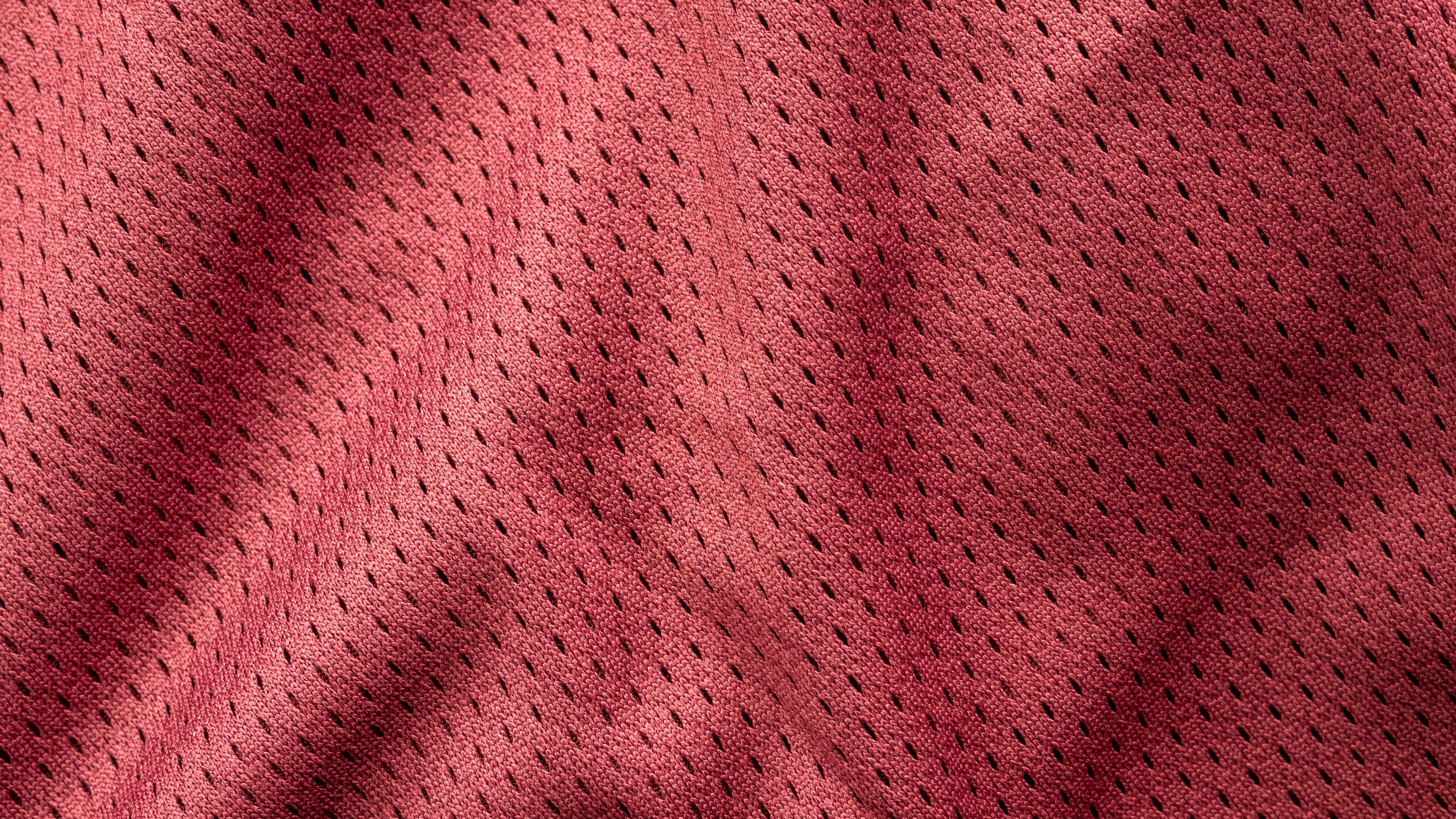
One of the advantages of polyester is its resistance to wrinkles and shrinking. It is easy to care for and often requires less ironing, making it a convenient option for busy lifestyles. However, polyester is less breathable than cotton, which might be a consideration for those in warmer regions.
Choosing Between Cotton and Polyester Batik
Consider Your Purpose
When choosing between cotton and polyester batik textiles, consider the intended use. For clothing, cotton may be preferable for its comfort, especially in hot climates. On the other hand, polyester might be ideal for decorative items or garments that require less frequent washing.
Environmental Impact
Another factor to consider is the environmental impact. Cotton is a natural fiber and biodegradable, whereas polyester is a synthetic material derived from petroleum, which can be less eco-friendly. If sustainability is a priority, cotton might be the better option.

In conclusion, both cotton and polyester batik textiles offer unique advantages. By understanding their differences in terms of comfort, maintenance, and environmental impact, you can make the right choice for your needs. Whether you prioritize breathability, cost-effectiveness, or sustainability, there's a batik textile out there for you.